Uncategorized

  • Nine New TRIM PRYSPRY Structures Uncover Key Drug Design Challenges

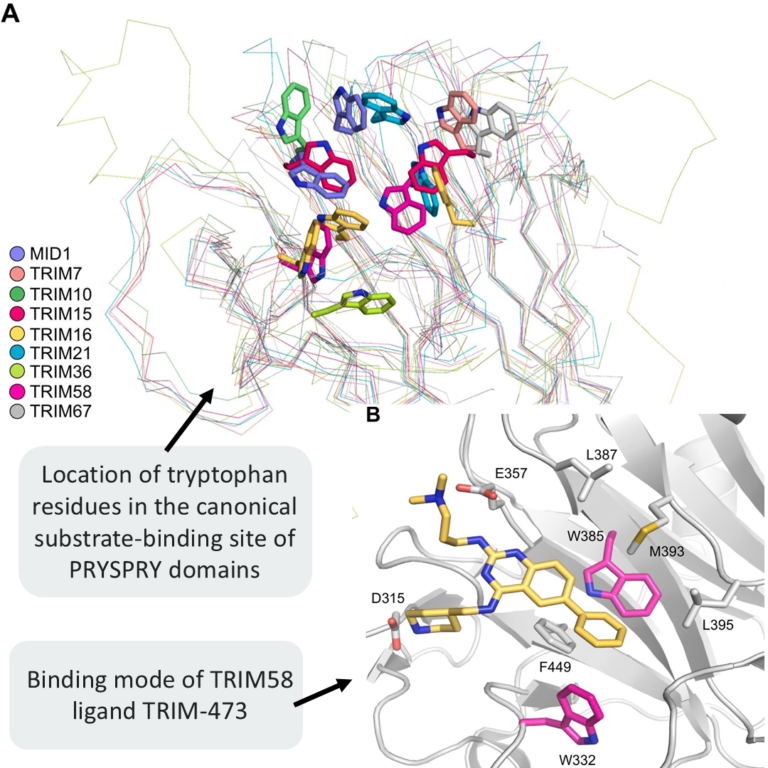
    My colleagues from The Structural Genomics Consortium (SGC) (Rezart Zhubi, Andreas C. Joerger, Stefan Knapp) just published a paper “๐’๐ญ๐ซ๐ฎ๐œ๐ญ๐ฎ๐ซ๐š๐ฅ ๐š๐ง๐š๐ฅ๐ฒ๐ฌ๐ข๐ฌ ๐จ๐Ÿ ๐“๐‘๐ˆ๐Œ ๐Ÿ๐š๐ฆ๐ข๐ฅ๐ฒ ๐๐‘๐˜๐’๐๐‘๐˜ ๐๐จ๐ฆ๐š๐ข๐ง๐ฌ ๐š๐ง๐ ๐ข๐ญ๐ฌ ๐ข๐ฆ๐ฉ๐ฅ๐ข๐œ๐š๐ญ๐ข๐จ๐ง๐ฌ ๐Ÿ๐จ๐ซ ๐„3-๐ฅ๐ข๐ ๐š๐ง๐ ๐๐ž๐ฌ๐ข๐ ๐ง” that discusses 9 new X-ray structures, providing valuable structural insights for this family of E3 ligases. ๐Ÿ”‘ Key Structural Findings:โœ… Conserved ฮฒ-sandwich fold…

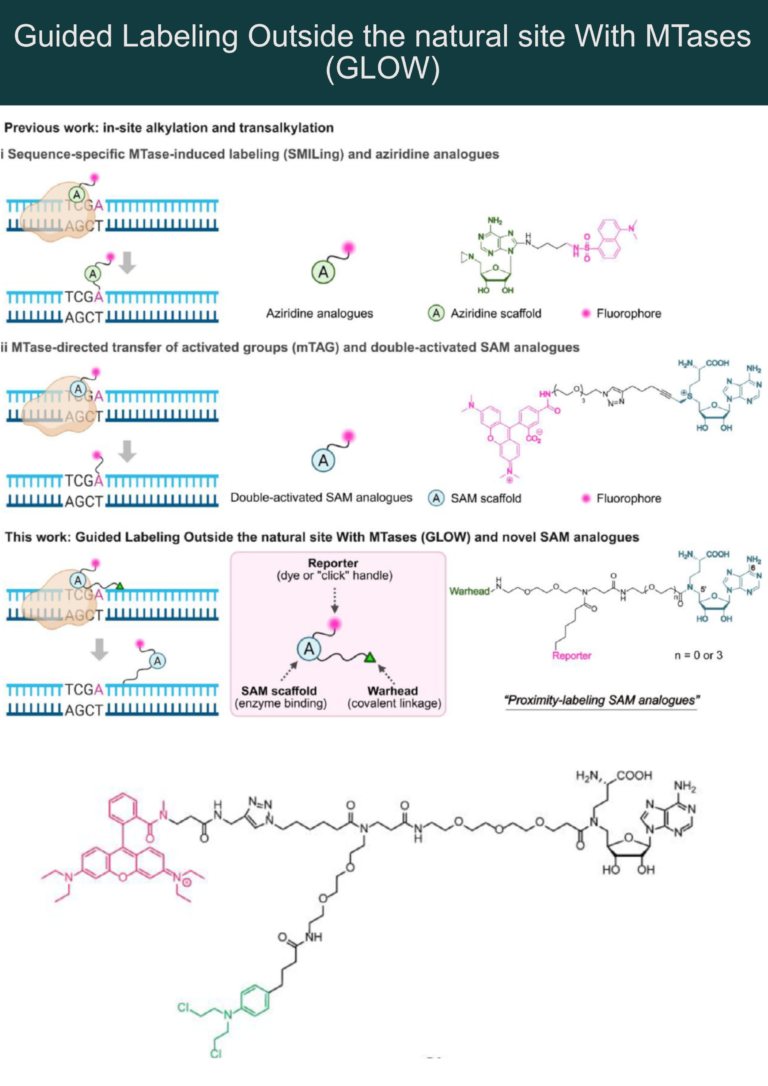
  • Let it GLOW: Novel Proximity Inducing Modality for DNA Modification

    DNA methyltransferases (MTases) can recognize specific DNA sequences and transfer a methyl group from the S-adenosyl-L-methionine (SAM) cofactor to a target nucleobase. This ability has been exploited for sequence-specific DNA labeling using synthetic SAM analogues (SMILing, mTAG). However, both approaches (SMILing and mTAG) share following limitations:๐Ÿ”ธ The SAM analogues are chemically reactive (labile aziridine rings…

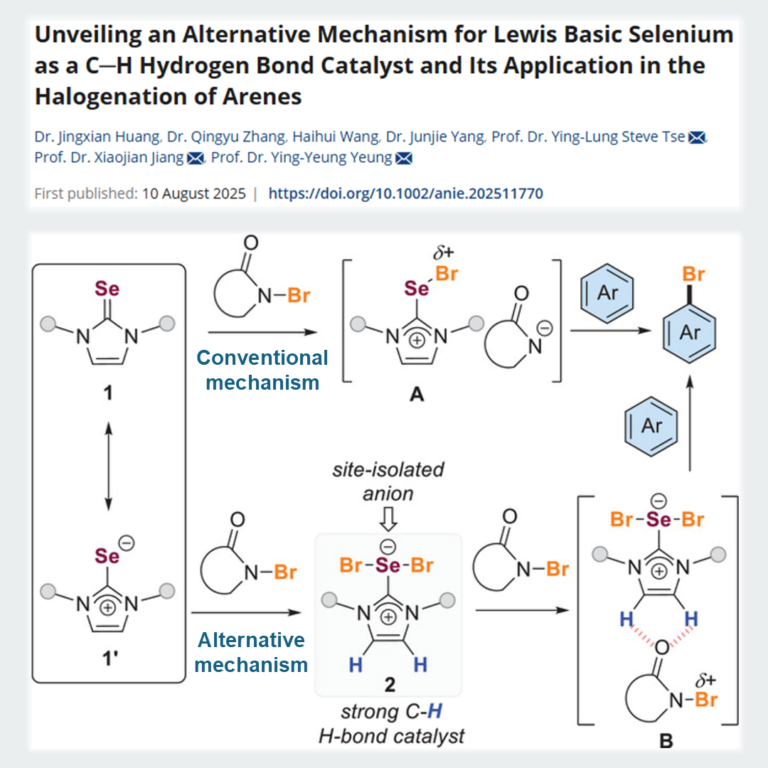
  • Unexpected Organo-Catalysis

    Researchers from The Chinese University of Hong Kong discovered an alternative mechanism in which organo-selenium acts as a C-H hydrogen bond catalyst, enabling (not only) halogenation of arenes. Key highlightsโœ”๏ธ reveals a previously unexplored mechanismโœ”๏ธ enables efficient electrophilic halogenation with low catalyst loadingsโœ”๏ธ applicable to the late-stage bromination of several drug moleculesโœ”๏ธ organo-catalyst 2c can…

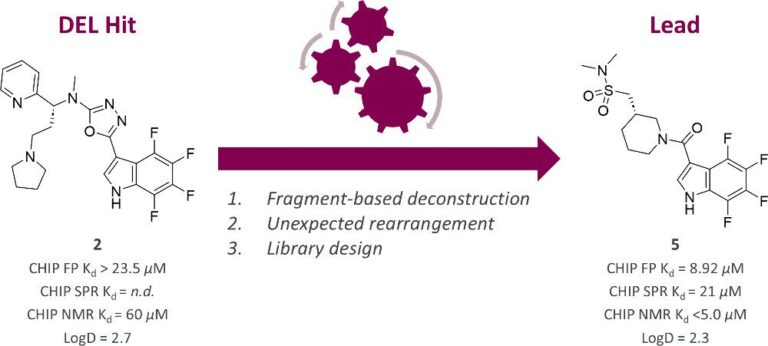
  • Discovery of Small-Molecule Ligands for the E3 Ligase STUB1/CHIP

    Finding potent small-molecule E3 ligase binders is notoriously tough. Hereโ€™s how teams from AstraZeneca, Pharmaron, and Xโ€‘Chem collaborated to overcome this challenge and discover a drugโ€‘like ligand for the CHIP/STUB1 protein. Key highlights ๐Ÿ”ฌ Background and Significance– STUB1/CHIP is a U-box E3 ubiquitin ligase that targets misfolded proteins via interactions with Hsc70/Hsp90.– The currently known…

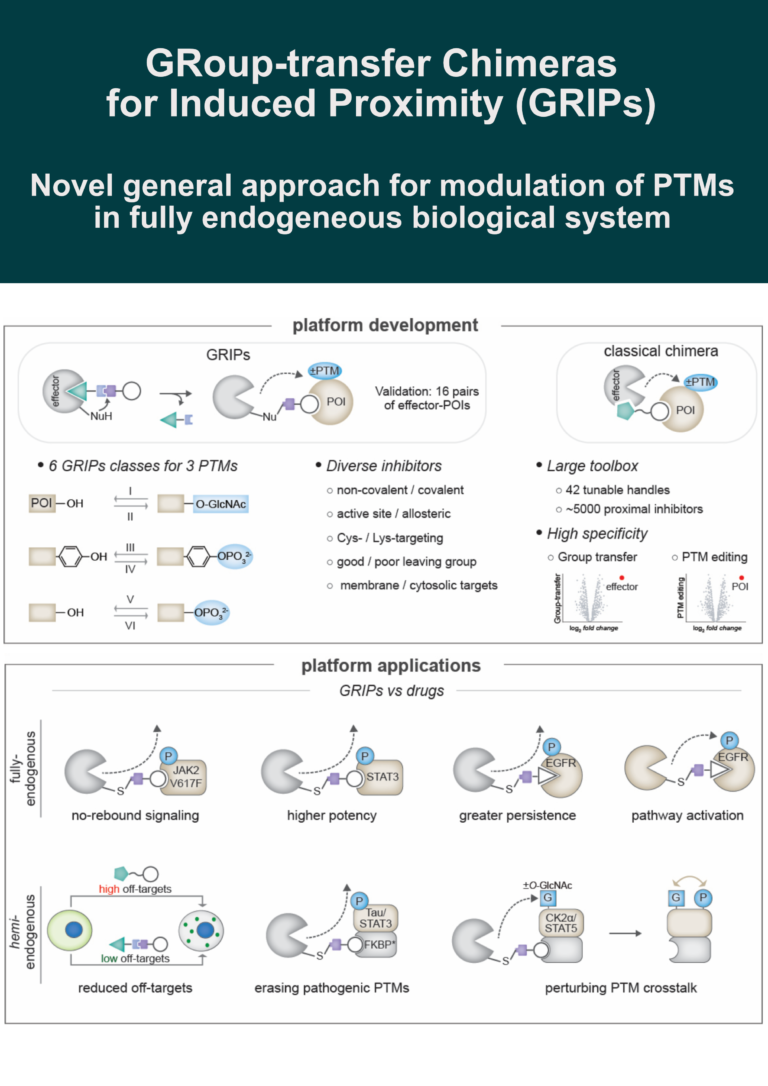
  • Group-Transfer Chimeras for Induced Proximity (GRIPs)

    Induced proximity is more than ubiquitination and targeted protein degradation. In the recent literature we have seen proximity-inducing modalities for phosphorylation and dephosphorylation, deubiquitination, glycosylation and more. ๐—–๐˜‚๐—ฟ๐—ฟ๐—ฒ๐—ป๐˜ ๐—น๐—ถ๐—บ๐—ถ๐˜๐—ฎ๐˜๐—ถ๐—ผ๐—ปHowever, when we induce proximity between our protein of interest (POI) and an effector protein, it can be counterproductive to use inhibitory ligands for recruitment of the…

  • Spiro Spiro Spirocycles Everywhere.

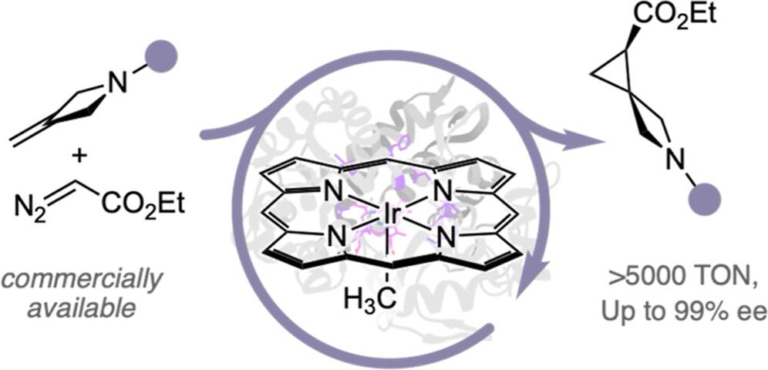
    ย The number of spirocyclic-N-heterocycles has increased dramatically in the recent years. From 10,000 in 2023 โžก๏ธ 90,000 in 2025 (Substructure search on Reaxys). Functionalized spirocycles are highly valuable synthetic building blocks, especially in medicinal chemistry. ๐Ÿ’Š However, if you want to decorate them a little bit more, you are likely tapping into the chemical space…

  • From serendipity to essential protac profiling

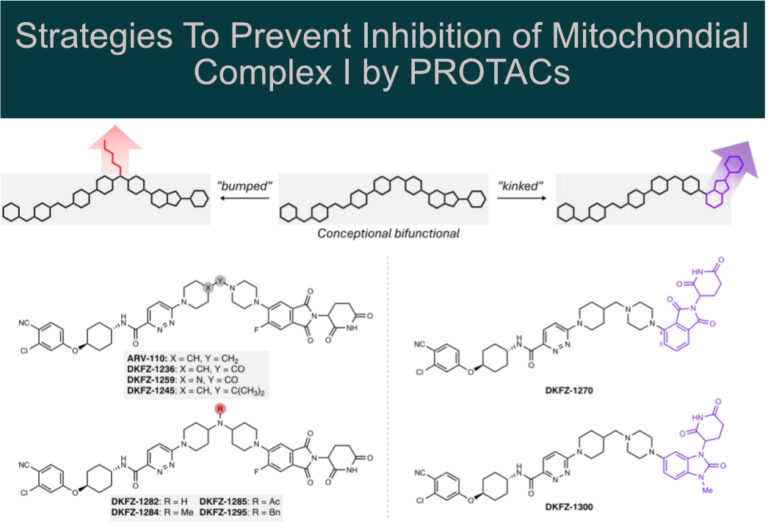
    The microcosmos of biological processes is complex and full of surprises. This is also the case for a new preprint from Richert, Nลฏskovรก et al.ย While developing rabeprazole-thalidomide hybrids as targeted protein degraders, the authors observed rapid, reversible ATP depletion in cells. Surprisingly, this effect was attributed to PROTAC molecules with a certain molecular structure. ๐— ๐—ฒ๐—ฐ๐—ต๐—ฎ๐—ป๐—ถ๐˜€๐—บMechanistic…

  • Metal-Free Cโ€“N coupling via Smiles Rearrangement

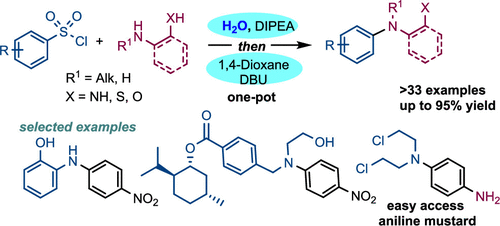
    Do you like to Smile? Or perhaps youโ€™re a fan of rearrangement reactions like me? If so, youโ€™ll want to check out this new paper from my former colleague, Srimanta Manna, Ph.D., and his team: “N,N-Disubstituted Anilines Synthesis through Smiles Rearrangement“ ๐Ÿ’ก Why it matters:This methodology enables metal-free Cโ€“N coupling under mild conditions, and offers…

  • Carbonโ€“Heteroatom Cross-Coupling via Red-Light Metallaphotocatalysis

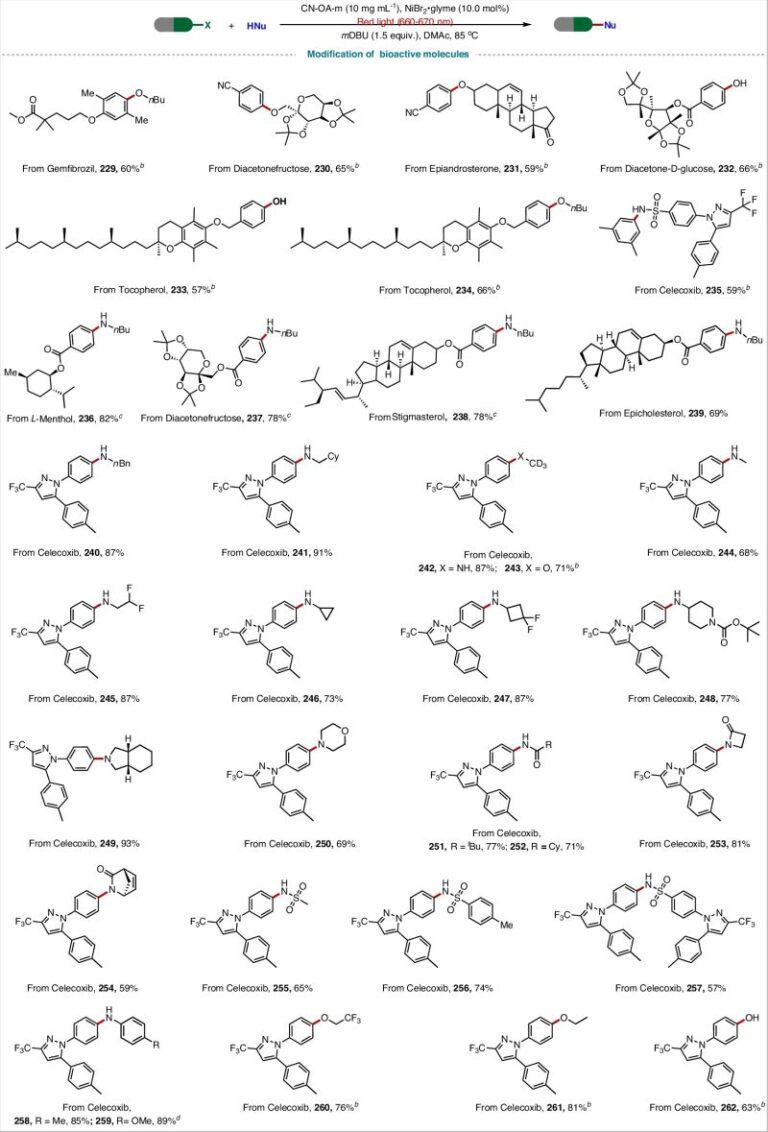
    Recently published paper in Nature Communications claims (as the title says): “General method for carbonโ€“heteroatom cross-coupling reactions via semiheterogeneous red-light metallaphotocatalysis” Quite a bold statement, so let’ take a look at it. Key highlights include: โœ… Red light penetrates 23x deeper than blue light – enabling gram-scale reactions in 10 cm flasks โœ… Four bond…