Uncategorized

  • Design, Development and Optimization of RIPK1 Degrader

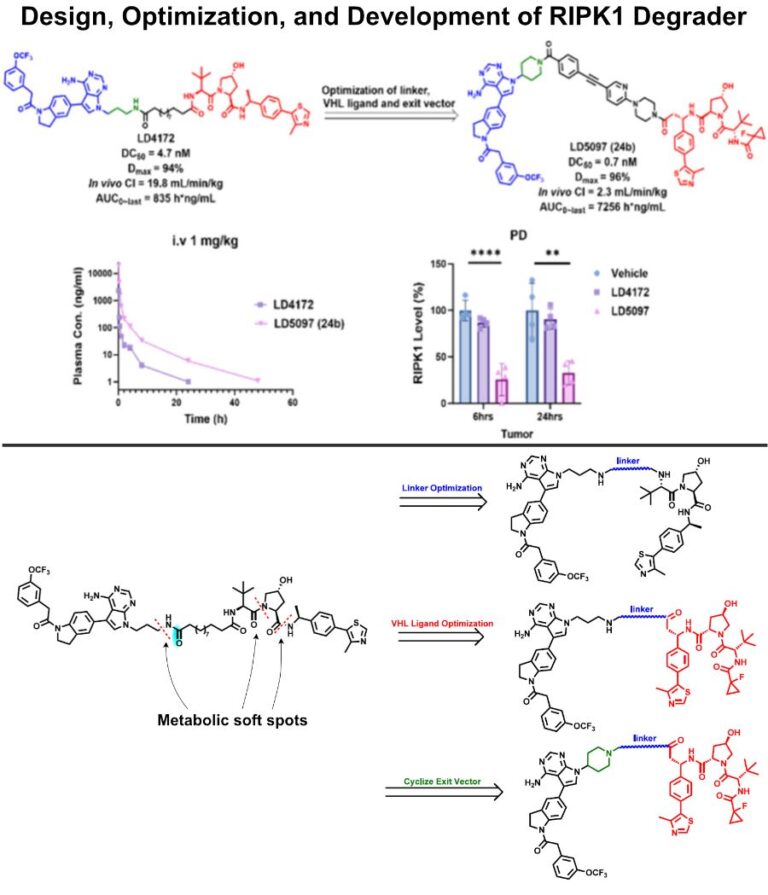
    Optimization of PROTACs for in vivo applications is non-trivial, thought not impossible. A nice example on this topic represents freshly published paper in J. Med. Chem., showcasing successful optimization of a RIPK1 PROTAC degrader. Previous RIPK1 degrader LD4172 suffered from metabolic degradation and fast clearance (I highlighted the metabolic soft spots in the figure below)….

  • Rewriting Chemistry Textbooks: From Alkene to Alkyne via Hetero-Diels-Alder Reaction

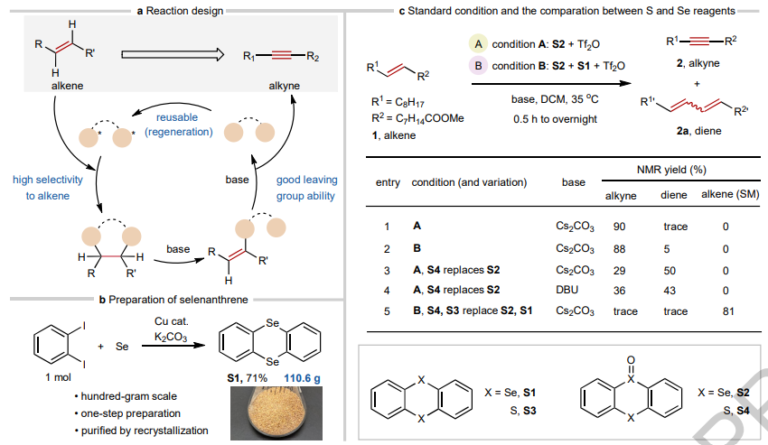
    Although Hetero-Diels-Alder will play a central role, I am not going to speak about gender. Not today. Instead, I would like to highlight another major advancement in organic chemistry that enables synthesis of alkenes from alkynes. Alkynes serve as versatile building blocks in organic synthesis, drug discovery, and materials science. We chemists use them for…

  • Breaking New Ground in mRNA Degradation

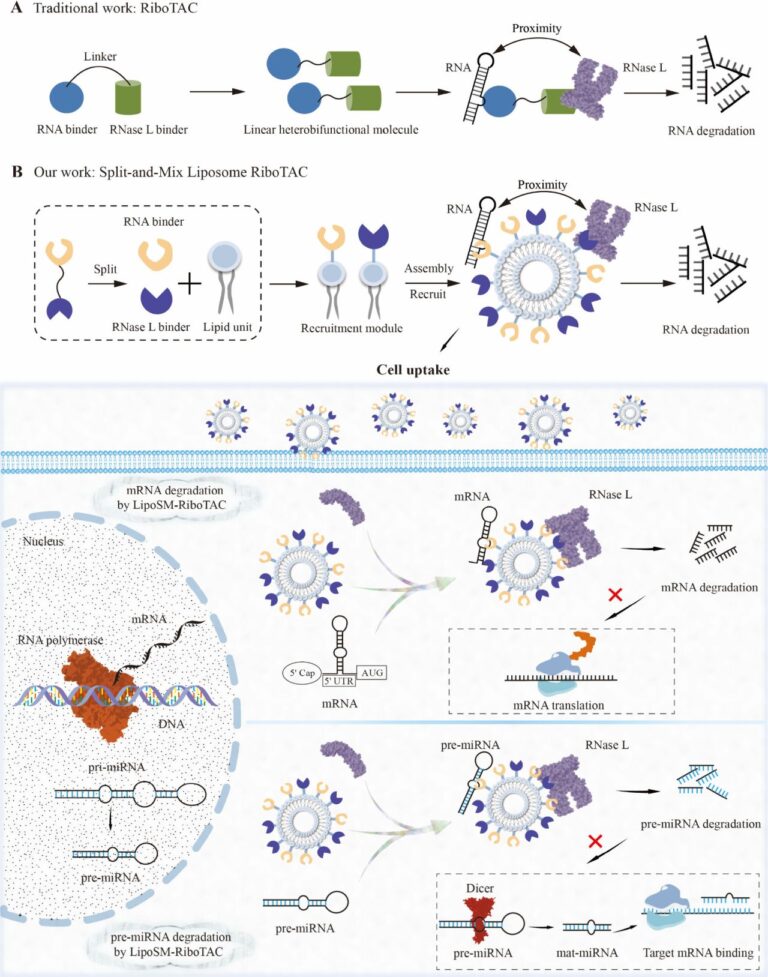
    About 85% of disease-related proteins lack suitable binding pockets for conventional drug discovery. While RNA-targeting approaches like siRNAs have shown promise (with several FDA approvals), they struggle with poor cellular uptake, limited tissue specificity, and complex, costly synthesis. Researchers from Peking University Shenzhen Graduate School introduce a novel modality for targeting “undruggable” proteins through RNA…

  • Nano-PROTACs Are Gaining Traction

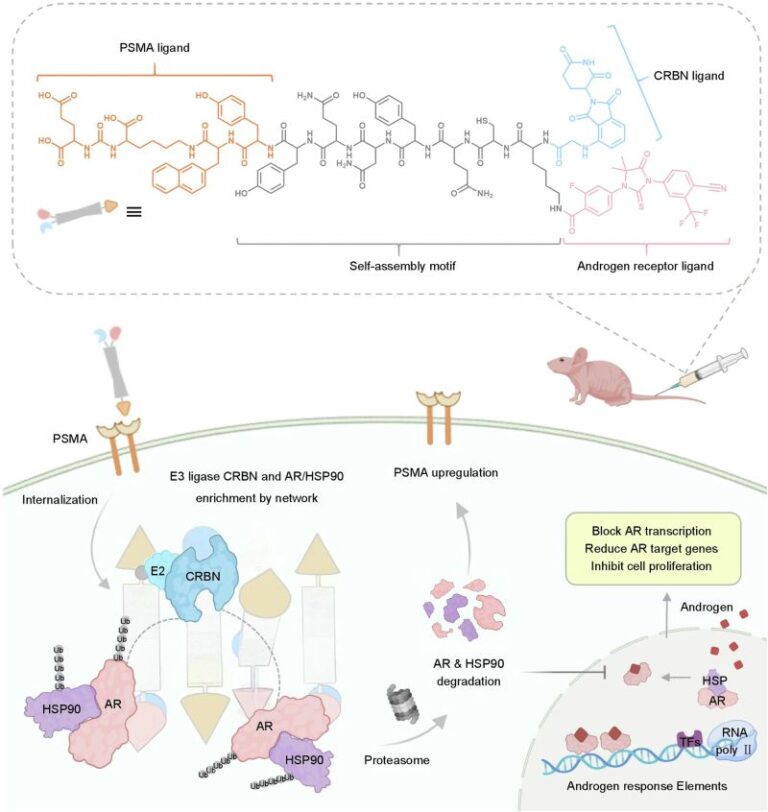
    The field of PROTACs continues to evolve. A recent Nature Communications paper describes another self-assembling nano-PROTAC that co-degrades androgen receptor (AR) and HSP90 and shows promise for treatment of castration-resistant prostate cancer (CRPC). To save your precious time, here is my summary and highlights: Design and mechanismPsa-AR (nano-PROTAC) is a modular peptide comprising:– A PSMA-targeting…

  • Is It PROTAC or Molecular Glue? … It Is Both!

    Researchers often steer the design of CRBN-based PROTACs to achieve selective degradation of a single target while suppressing degradation of CRBN neo-substrates. Two different research groups published independently two publications where they approached this differently. By intentional design they developed dual degraders by combining the principles of PROTACs and molecular glue degraders. The first work…

  • Smart Molecules Targeting Cancer Powerhouse

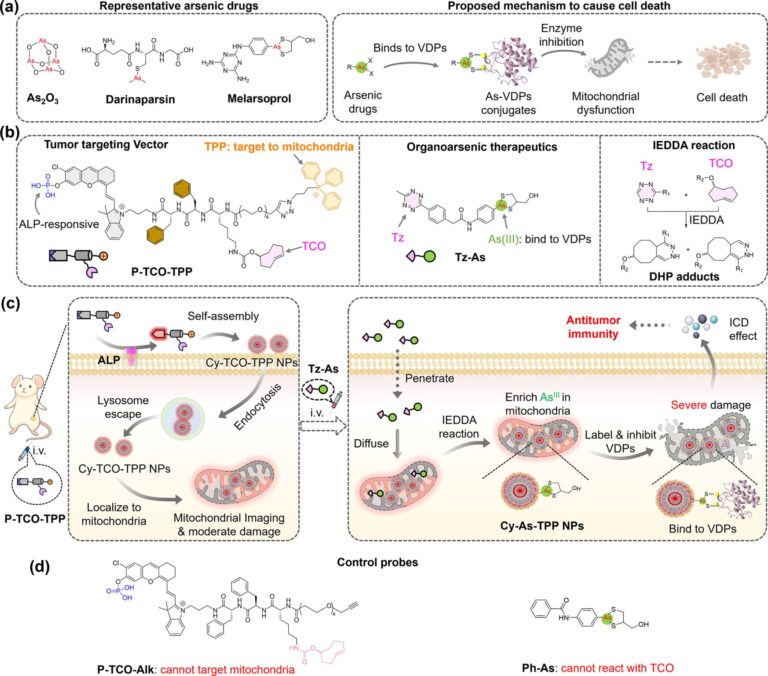
    How can bioorthogonal chemistry and mitochondrial targeting rewrite cancer immunotherapy? By creating enzyme-responsive nanoparticles that self-assemble in tumors and chemically “click” with an arsenic payload, scientists achieved complete tumor eradication and durable immune memory. Two main components – two small molecules (Fig. panel b)๐Ÿ’Š ๐๐ซ๐จ๐›๐ž ๐-๐“๐‚๐Ž-๐“๐๐:An ALP-responsive small molecule comprising a phosphate-caged fluorophore (mCy), a…

  • Are Alpha Emiters the Future of Radiotherapy?

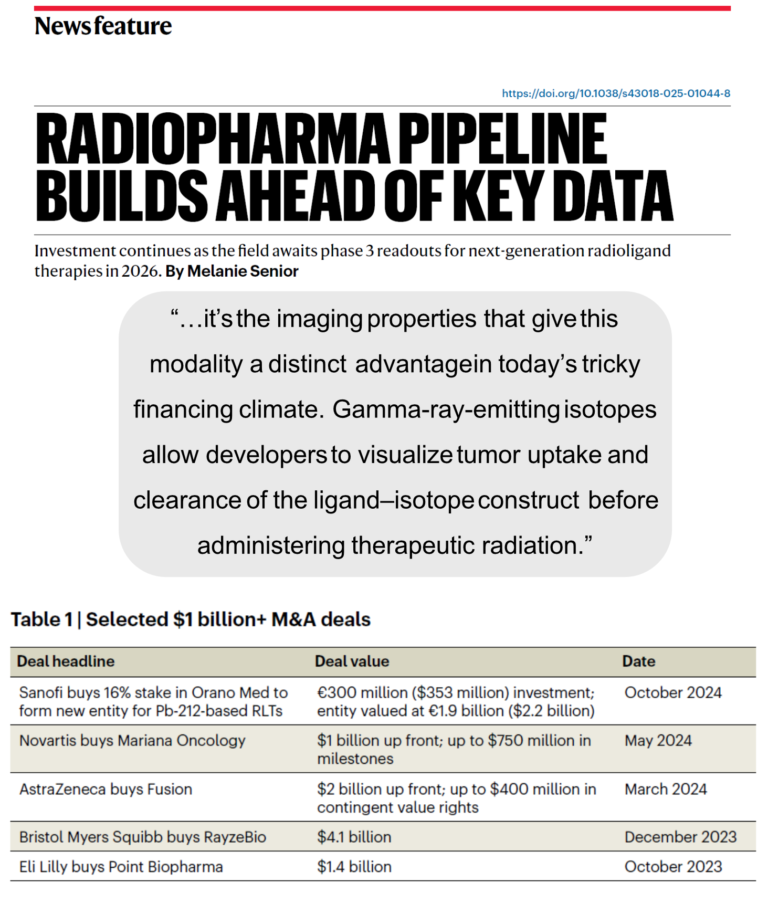
    While biotech faces a funding downturn, radioligand therapy (RLT) is attracting major investments. The field stands at an important inflection point as next-generation alpha-emitting therapies prepare for phase 3 readouts in 2026. Why investors are betting on RLTsโœ”๏ธ Imaging-guided development enables visualization before treatmentโœ”๏ธ Physical, rather than pharmacological, cancer-killing mechanismโœ”๏ธ Unprecedented speed: candidate selection to…

  • Let’s Hijack DCAF2 for TPD?!

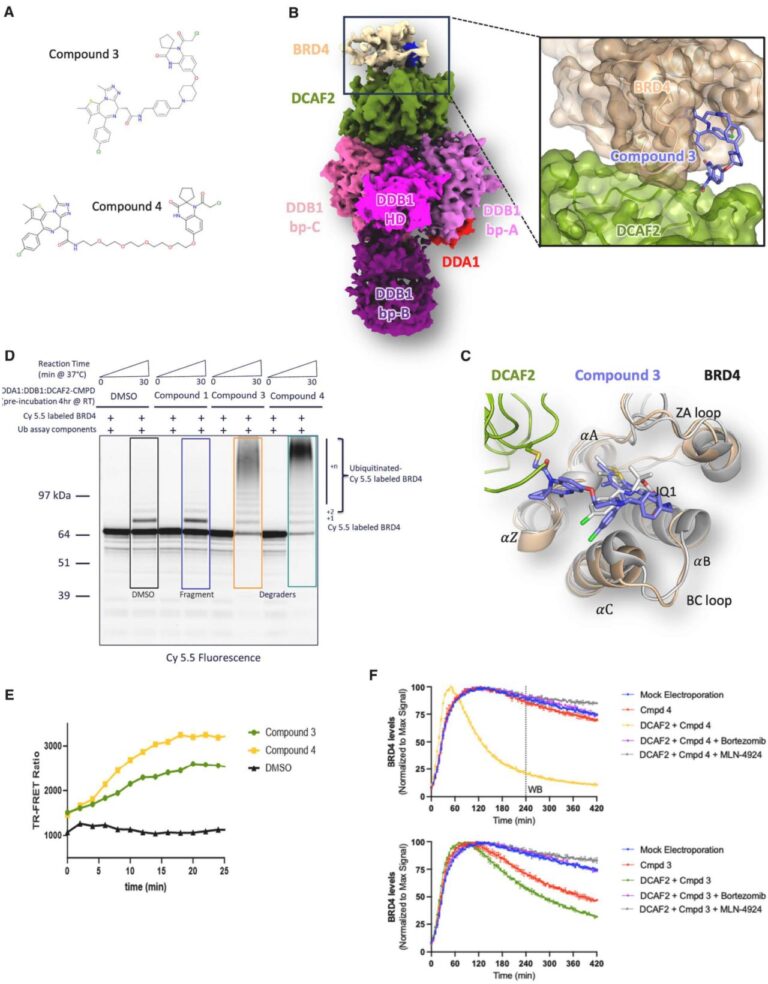
    Well, not quite yet. But maybe soon. Frontier Medicines evaluated E3 ligase DCAF2 (DTL/CDT2), as a novel ligase for targeted protein degradation by PROTACs (published in ๐˜š๐˜ต๐˜ณ๐˜ถ๐˜ค๐˜ต๐˜ถ๐˜ณ๐˜ฆ): “๐˜š๐˜ต๐˜ณ๐˜ถ๐˜ค๐˜ต๐˜ถ๐˜ณ๐˜ข๐˜ญ ๐˜ฃ๐˜ข๐˜ด๐˜ช๐˜ด ๐˜ง๐˜ฐ๐˜ณ ๐˜‹๐˜Š๐˜ˆ๐˜2 ๐˜ข๐˜ด ๐˜ข ๐˜ฏ๐˜ฐ๐˜ท๐˜ฆ๐˜ญ ๐˜Œ3 ๐˜ญ๐˜ช๐˜จ๐˜ข๐˜ด๐˜ฆ ๐˜ง๐˜ฐ๐˜ณ ๐˜—๐˜™๐˜–๐˜›๐˜ˆ๐˜Š-๐˜ฎ๐˜ฆ๐˜ฅ๐˜ช๐˜ข๐˜ต๐˜ฆ๐˜ฅ ๐˜ต๐˜ข๐˜ณ๐˜จ๐˜ฆ๐˜ต๐˜ฆ๐˜ฅ ๐˜ฑ๐˜ณ๐˜ฐ๐˜ต๐˜ฆ๐˜ช๐˜ฏ ๐˜ฅ๐˜ฆ๐˜จ๐˜ณ๐˜ข๐˜ฅ๐˜ข๐˜ต๐˜ช๐˜ฐ๐˜ฏ” Why it is importantโœ… This work addresses a key limitation in PROTAC development: the…

  • PROTAC vs Molecular Glue

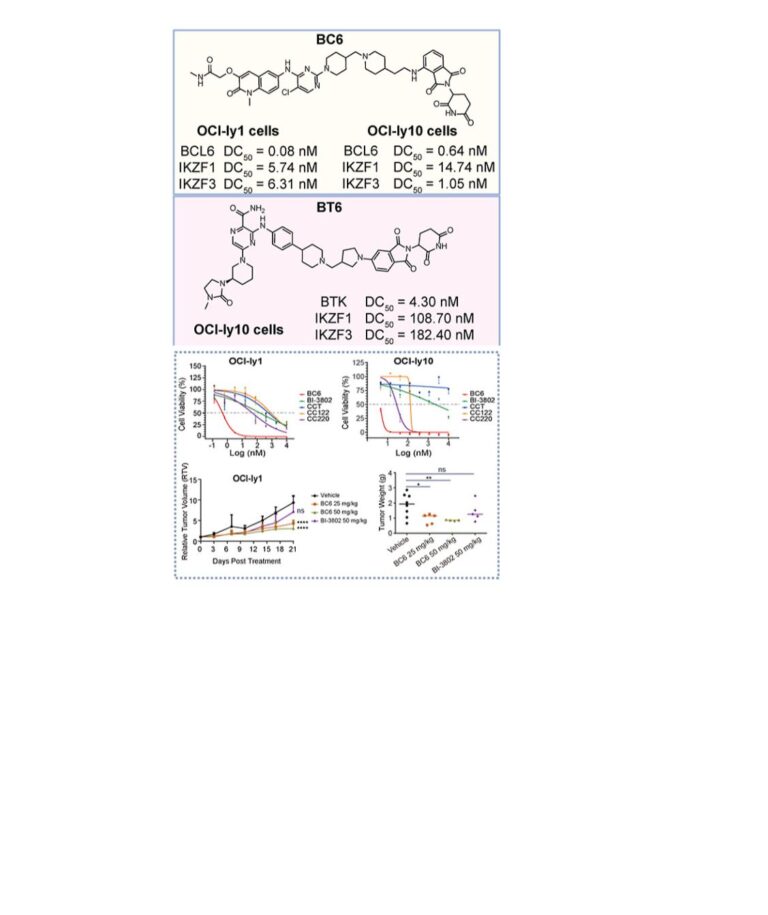
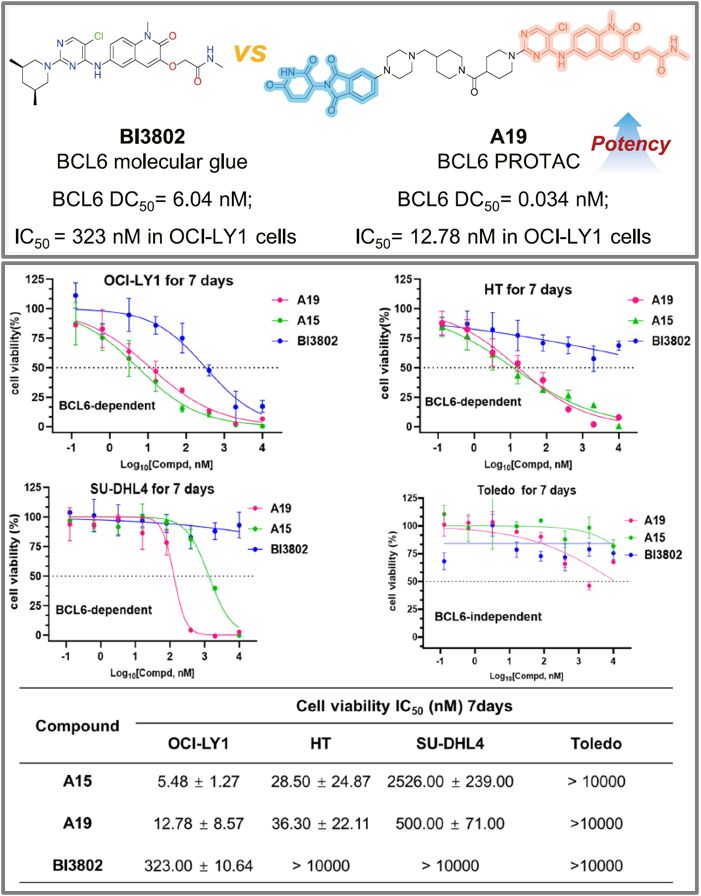
    It doesn’t happen very often to see a direct comparison of a molecular glue degrader and PROTAC, as it has been just published in J Med Chem: “๐˜‹๐˜ช๐˜ด๐˜ค๐˜ฐ๐˜ท๐˜ฆ๐˜ณ๐˜บ ๐˜ฐ๐˜ง ๐˜ข ๐˜š๐˜ฆ๐˜ญ๐˜ฆ๐˜ค๐˜ต๐˜ช๐˜ท๐˜ฆ ๐˜ข๐˜ฏ๐˜ฅ ๐˜—๐˜ฐ๐˜ต๐˜ฆ๐˜ฏ๐˜ต ๐˜‰๐˜Š๐˜“6 ๐˜—๐˜™๐˜–๐˜›๐˜ˆ๐˜Š ๐˜ธ๐˜ช๐˜ต๐˜ฉ ๐˜Œ๐˜ง๐˜ง๐˜ช๐˜ค๐˜ข๐˜ค๐˜ช๐˜ฐ๐˜ถ๐˜ด ๐˜ˆ๐˜ฏ๐˜ต๐˜ช๐˜ฑ๐˜ณ๐˜ฐ๐˜ญ๐˜ช๐˜ง๐˜ฆ๐˜ณ๐˜ข๐˜ต๐˜ช๐˜ท๐˜ฆ ๐˜ˆ๐˜ค๐˜ต๐˜ช๐˜ท๐˜ช๐˜ต๐˜บ ๐˜ง๐˜ฐ๐˜ณ ๐˜ต๐˜ฉ๐˜ฆ ๐˜›๐˜ณ๐˜ฆ๐˜ข๐˜ต๐˜ฎ๐˜ฆ๐˜ฏ๐˜ต ๐˜ฐ๐˜ง ๐˜‹๐˜ช๐˜ง๐˜ง๐˜ถ๐˜ด๐˜ฆ ๐˜“๐˜ข๐˜ณ๐˜จ๐˜ฆ ๐˜‰โ€‘๐˜Š๐˜ฆ๐˜ญ๐˜ญ ๐˜“๐˜บ๐˜ฎ๐˜ฑ๐˜ฉ๐˜ฐ๐˜ฎ๐˜ข” Why it is interestingโœ”๏ธ Glue degraders as well…