Uncategorized

  • From serendipity to essential protac profiling

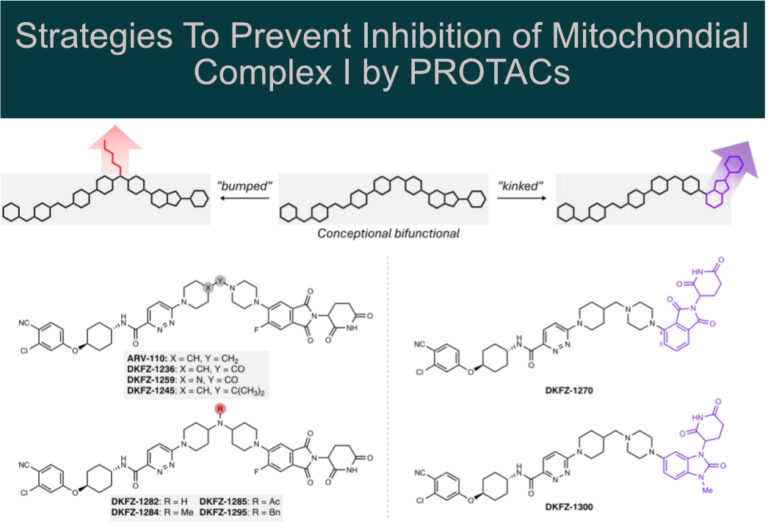
    The microcosmos of biological processes is complex and full of surprises. This is also the case for a new preprint from Richert, Nůsková et al. While developing rabeprazole-thalidomide hybrids as targeted protein degraders, the authors observed rapid, reversible ATP depletion in cells. Surprisingly, this effect was attributed to PROTAC molecules with a certain molecular structure. 𝗠𝗲𝗰𝗵𝗮𝗻𝗶𝘀𝗺Mechanistic…

  • Metal-Free C–N coupling via Smiles Rearrangement

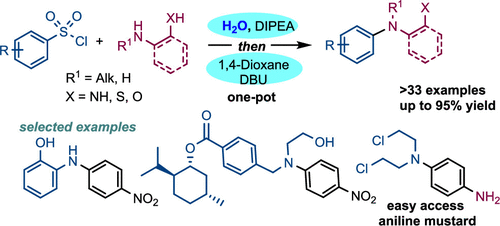
    Do you like to Smile? Or perhaps you’re a fan of rearrangement reactions like me? If so, you’ll want to check out this new paper from my former colleague, Srimanta Manna, Ph.D., and his team: “N,N-Disubstituted Anilines Synthesis through Smiles Rearrangement“ 💡 Why it matters:This methodology enables metal-free C–N coupling under mild conditions, and offers…

  • Carbon–Heteroatom Cross-Coupling via Red-Light Metallaphotocatalysis

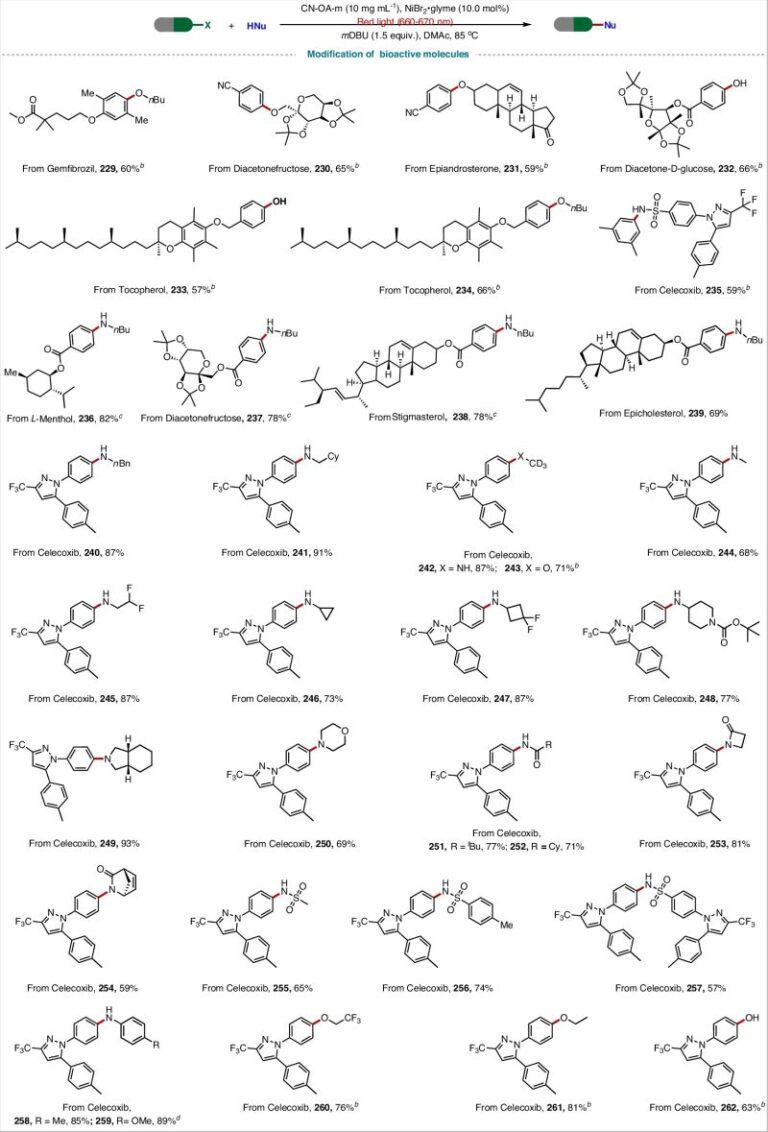
    Recently published paper in Nature Communications claims (as the title says): “General method for carbon–heteroatom cross-coupling reactions via semiheterogeneous red-light metallaphotocatalysis” Quite a bold statement, so let’ take a look at it. Key highlights include: ✅ Red light penetrates 23x deeper than blue light – enabling gram-scale reactions in 10 cm flasks ✅ Four bond…

  • A Biocompatible Lossen Rearrangement in Escherichia Coli

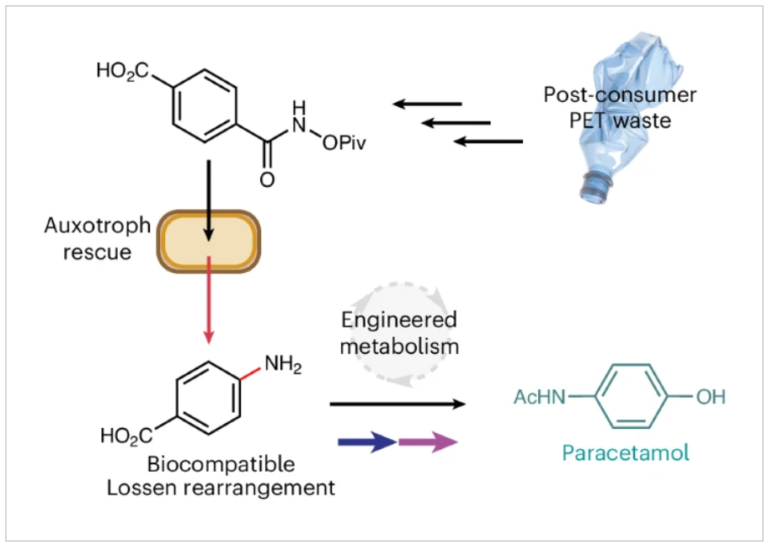
    Forget your fume hood, E. coli just became your new reaction vessel 💡 What’s new?Researchers have shown that a classic organic transformation (the Lossen rearrangement) runs smoothly inside E. coli cells. The reaction uses only phosphate as a catalyst, so no engineered enzyme is needed. By converting a specially activated precursor into para-aminobenzoic acid (PABA), the reaction restores growth to an E. coli strain that cannot…